The different types of roofs you will see across Dorset are mostly gable, hip, half-hip, lean-to, mansard and flat, with thatch as a specialist heritage option. Each shape behaves differently in wind, rain and salt air, which matters on the coast. Here is how they compare, and which suit homes around Bournemouth, Southampton and Salisbury.
Roof Type or Roofing Material?
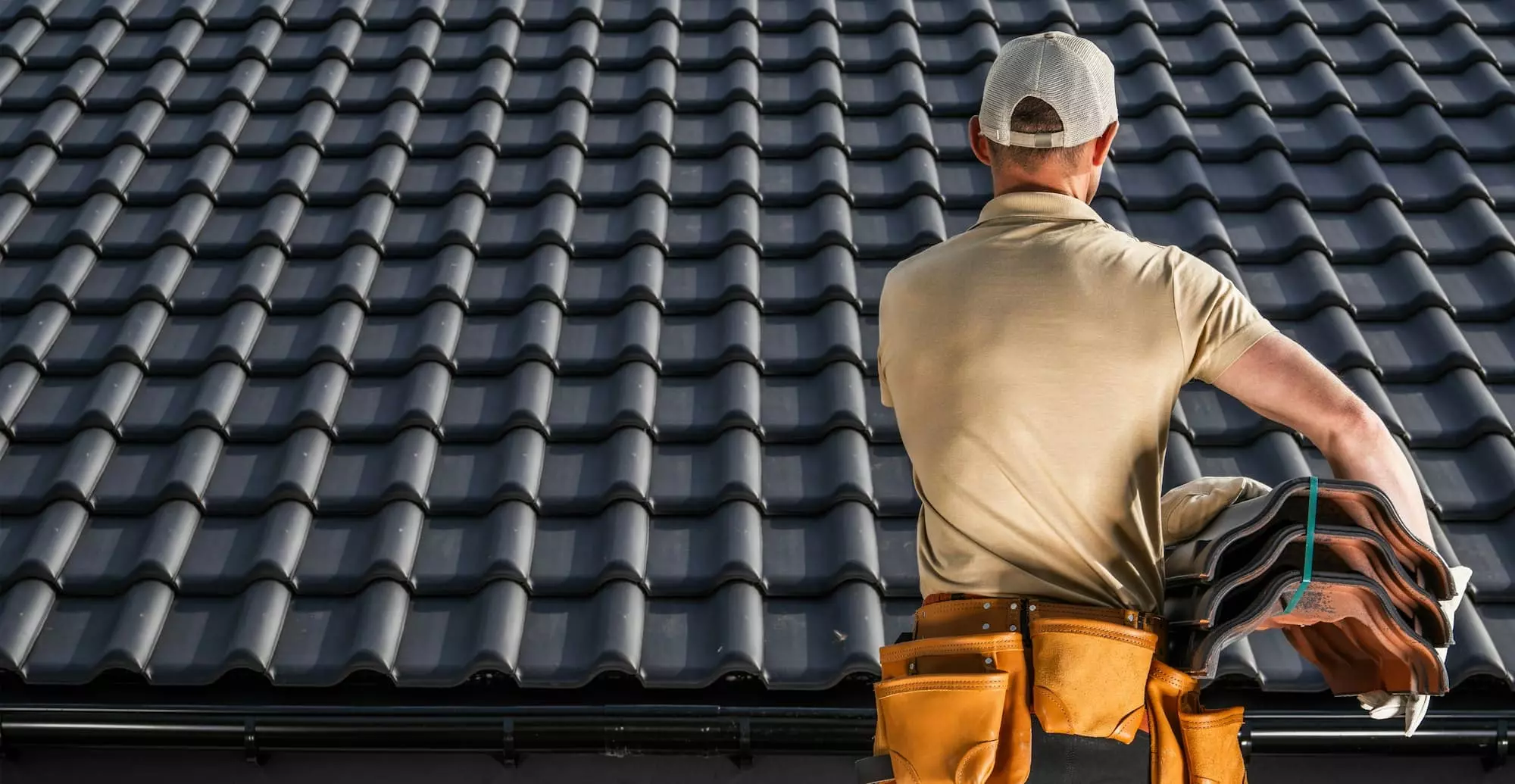
A roof type is its shape. A roofing material is what covers it. A hip roof can be tiled, slated or covered in asphalt, so the two choices are separate. Our guide to roofing materials used across Dorset covers the covering side, so this one sticks to shape.
Pitched Roof Types
Pitched roofs slope on one or more sides. There are more roof shapes out there, but these pitched roof types cover most homes:
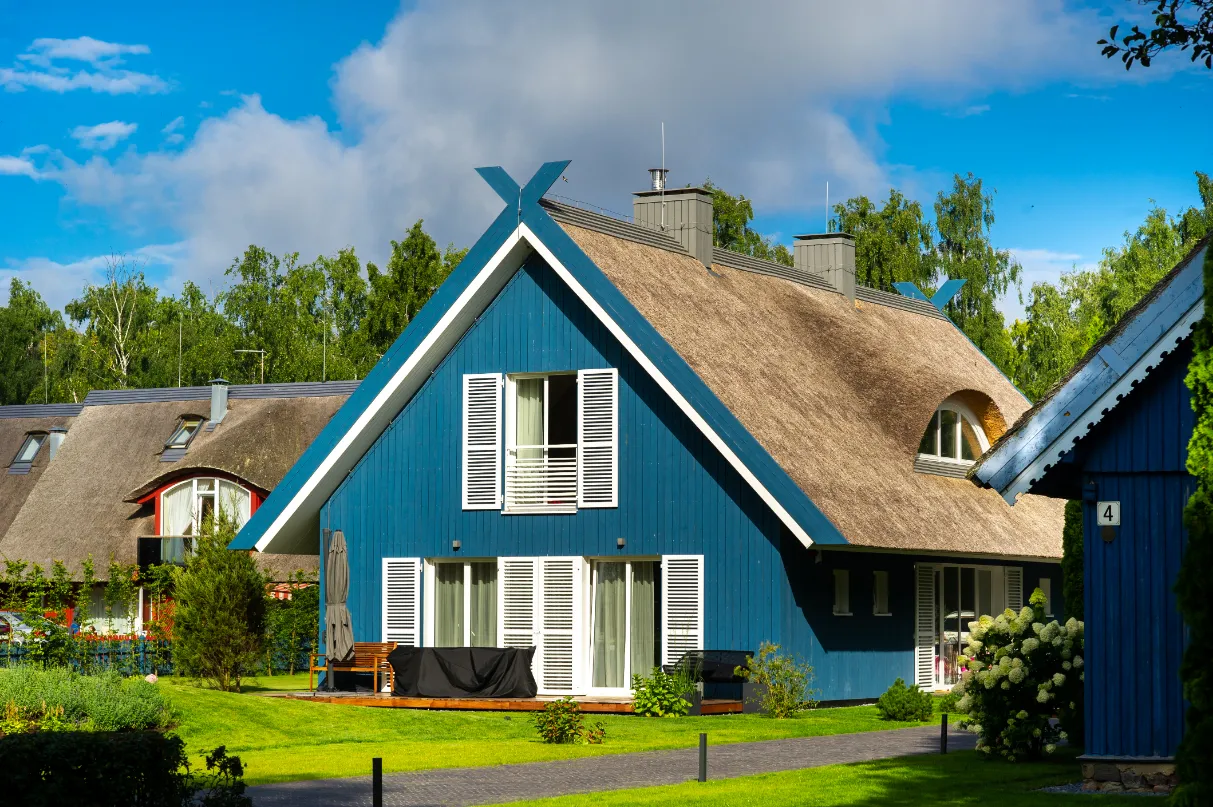
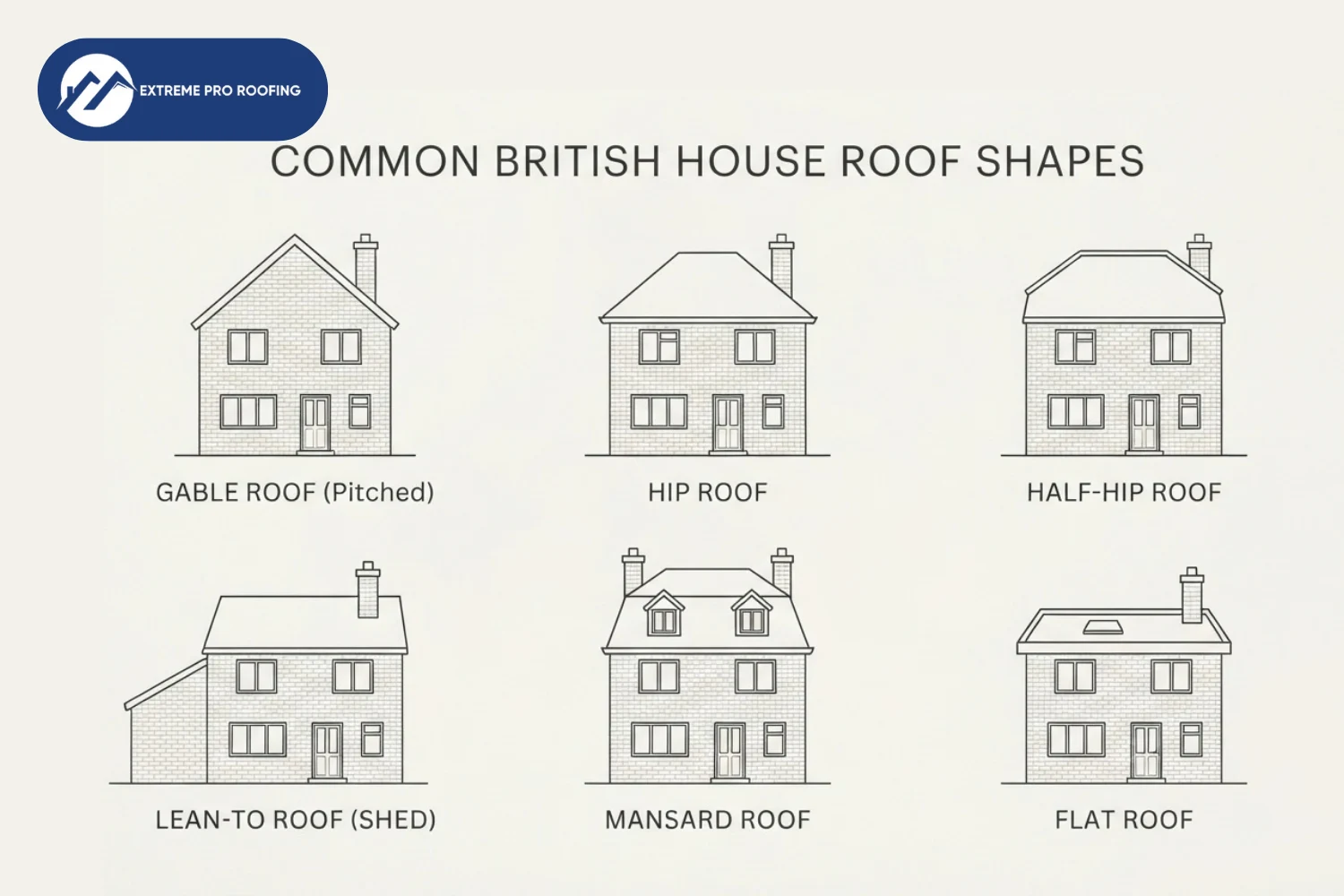
Gable Roof
Two slopes meet at a ridge, with a triangular wall at each end.
Pros:
- Simple to build, so usually cheaper
- Sheds rain and snow well
- Plenty of loft space and easy ventilation
Cons:
- End walls catch the wind, so bracing matters in exposed spots
- Verge edges need secure fixings
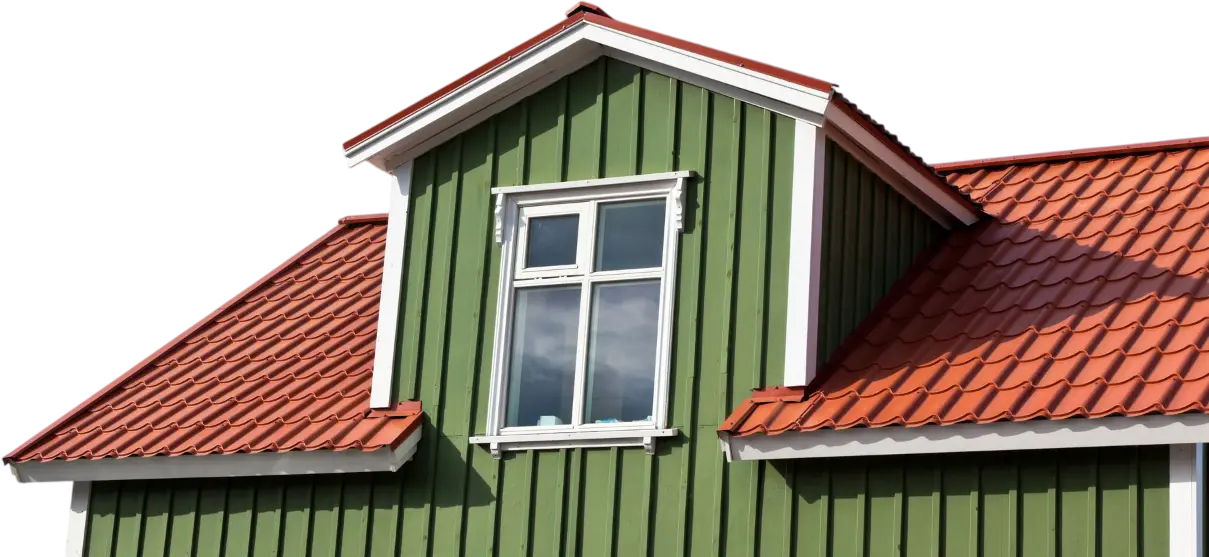
Hip Roof
Slopes run down on all four sides, so there is no flat end for the wind to push against.
Pros:
- Copes better with strong gusts
- Works on many house layouts, including L-shaped plans
Cons:
- Costs more to build than a gable
- Extra junctions need careful flashing
- Usually less usable loft space
Half-Hip Roof
This blends the two. The top of the gable end is cut back with a small sloping section.
Pros:
- Keeps more loft headroom than a full hip
- Softens wind exposure at the gable end
Cons:
- More junctions to flash than a plain gable
- A little less loft space than a full gable
Lean-To Roof
A single slope leans against a wall. It suits porches, side extensions and conservatories.
Pros:
- Simple and low cost to build
- Drains simply
- Easy to add to an existing wall
Cons:
- The join with the house wall needs sound flashing
- Limited headroom on the low side
Mansard Roof
Each side has two slopes, and the lower one is almost vertical.
Pros:
- Gives the most loft space of any pitched shape
- The near-vertical lower slope allows almost full-height rooms
Cons:
- The most complex and costly shape to build
- The shallow upper slope needs careful detailing to stay watertight
Cut Roof or Truss Roof?
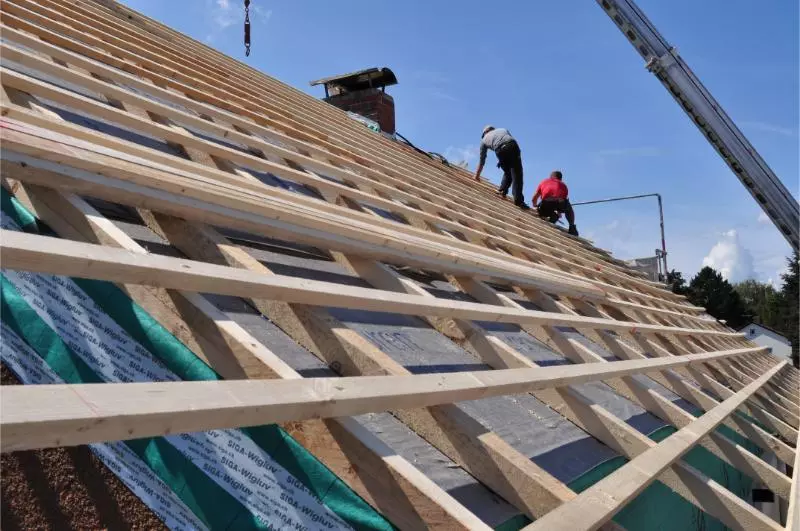
This is about how a pitched roof is built, not its shape. A cut roof is assembled on site from individual timbers. A truss roof uses factory-made triangular frames lifted into place. Trusses are usually quicker and cheaper, but their timber web fills the loft. A cut roof leaves it clear, making a later loft conversion much easier.
Flat Roofs and Flat Roof Systems
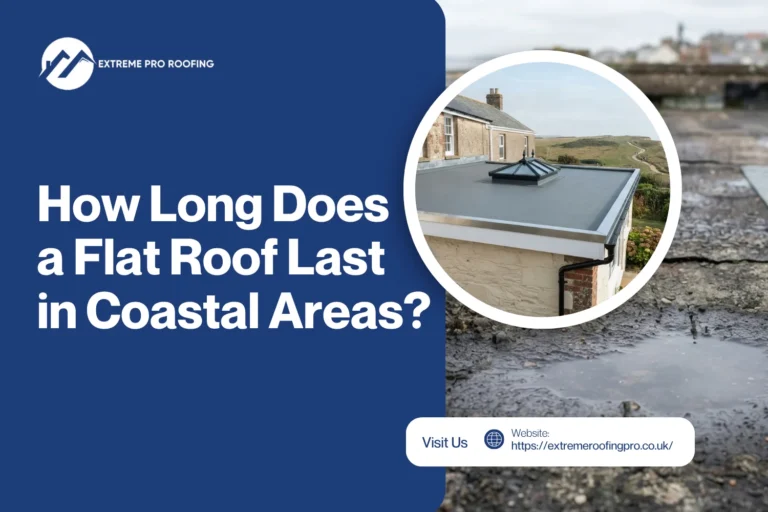
A flat roof is not truly flat. It is laid to a slight fall so water runs to the outlets. You will mostly find flat roofs on extensions, garages and some modern homes.
The main flat roof systems are felt, fibreglass, rubber and liquid plastic, and each has its own lifespan and cost. Near the sea, a flat roof’s lifespan depends heavily on the system and the detailing. For flat roof installation and repair, the weak points are usually the joints, upstands, and outlets, so a good survey focuses there.
Pros:
- A low-cost way to roof an extension or garage
- Takes rooflights easily
Cons:
- Water can pond if the fall is poor
- Older felt coverings can crack with sun and frost
Thatched Roofs and Other Dorset Specials
Thatch is part of Dorset’s character, but it is a specialist trade for a master thatcher, not a general roofer. Thatched homes have their own fire-safety rules, and extensions near a boundary may need to follow Dorset Council’s guidance on thatched buildings. For thatch, we would always point you to a specialist so you get the right advice.
Best Roof for Coastal Areas
The best roof for coastal areas is usually a well-built pitched roof with a hip or half-hip shape, since fewer exposed gable ends mean less for the wind to grab. Shape is only half the story, though. Salt air and wind find weak points, so ridge and verge fixings, flashings and edges matter just as much. A modern flat roof also performs well when it is detailed properly and checked regularly.
If your home sits exposed near Bournemouth or Southampton, ask for the fixings and edge details to be explained, not just the covering.
Which Roof Type Suits Your Home?
- Extension or garage: flat or lean-to
- Long-term family home: hip or gable
- Exposed coastal spot: hip or half-hip, with strong fixings
- Future loft space: cut roof with a gable or mansard shape
These are starting points. Exposure, the condition of the timbers and your plans for the loft all change the answer, and none of that shows from the street. If you are choosing a shape for a new roof or extension, get a free quote and a roofer can assess your roof in person.
Frequently asked questions