Dorset weather can take a toll on a roof. Salt-laden coastal air in Bournemouth, driving rain, winter frosts and storm winds all test the materials above your head. Choose the wrong one and you can end up with leaks, moss growth and costly repairs. That’s why choosing a roofing material isn’t just about looks, but about long-term protection and value.
In this guide, we compare the different roofing materials used on homes across Dorset, including cost, lifespan, pros, and cons, so you can find the best fit for your property.
Different Types of Roofing Materials for Dorset Homes
Each material below offers a different look, durability, and price range. Whether your home is a period property in Salisbury or a modern build near the coast, there is an option that suits it.
Natural Slate
Natural slate gives homes a classic, high-quality look and is a popular choice for older properties and conservation areas. It sits at the higher end of the price range, usually £80-£120 per square metre. With proper care, it can last 80 to 100 years or more.
Pros:
- Natural appearance that suits period homes
- Extremely long-lasting with minimal upkeep
- Fire- and water-resistant
Cons:
- One of the most expensive options
- Heavy, so the roof structure may need extra support
- Needs expert installation
Best for: Period homes, listed buildings and conservation areas
Clay Tiles
Clay tiles have a warm, traditional look and have been used across the UK for centuries. They hold their colour well and cope with damp weather. Costs typically range from £50 to £90 per square metre, and they can last 50 to 70 years or more when well maintained.
Pros:
- Traditional look with a natural colour that does not fade
- Breathable and well suited to wet weather
- Low maintenance
Cons:
- Heavy, so a strong roof frame is needed
- Can crack in hard frosts if poor quality or badly fitted
Best for: Period homes, character properties and traditional streets
Concrete Tiles
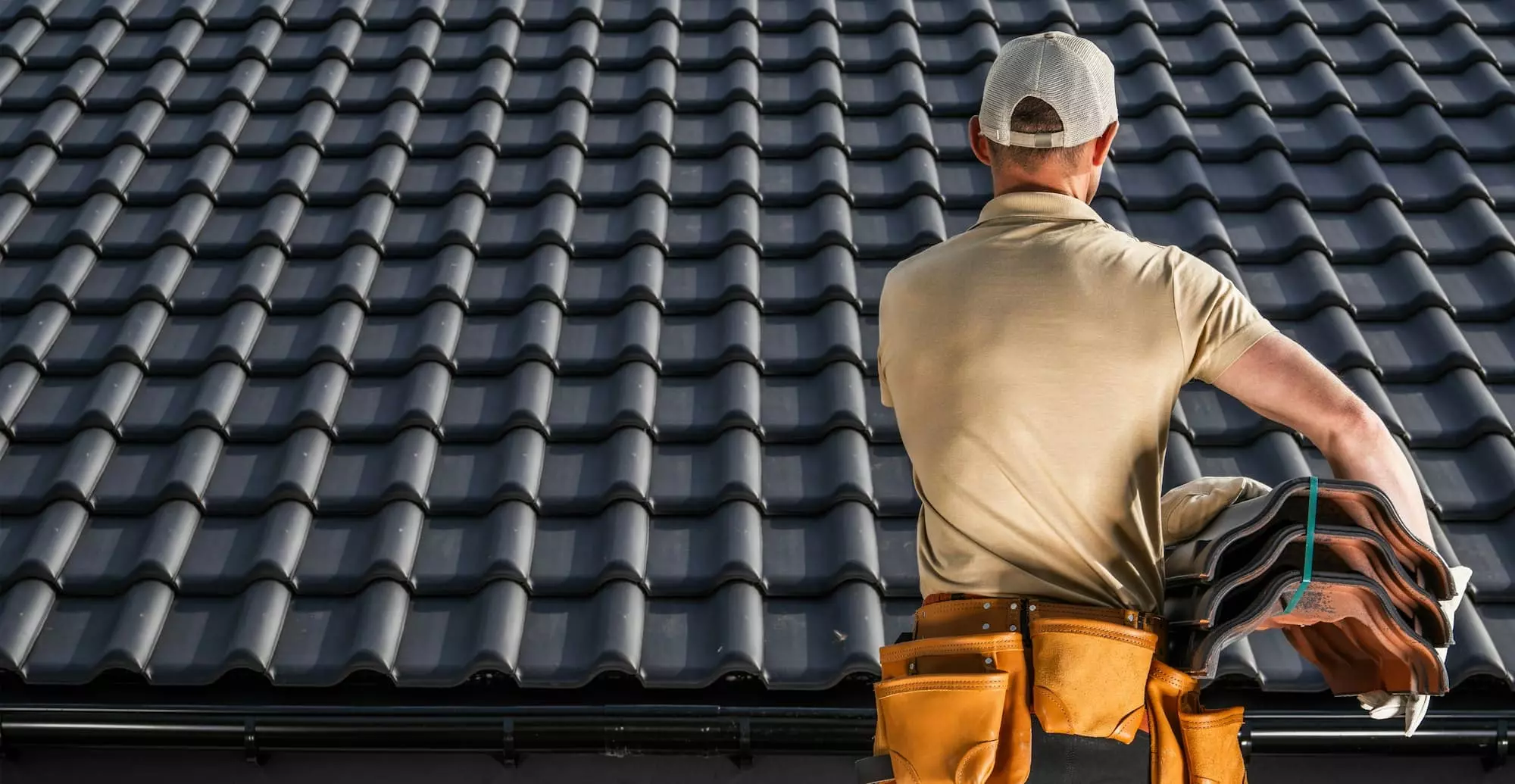
Concrete tiles imitate the look of clay or slate at a lower cost, and they are widely used on both modern and traditional homes. Expect to pay between £30 and £60 per square metre. With proper installation, they can last 40-60 years.
Pros:
- Affordable and long lasting
- Wide range of colours and profiles
- Easy to install and replace
Cons:
- Heavy, like slate and clay
- Colour can fade over time
- Moss can build up on the surface if not maintained
Best for: Budget-conscious homeowners and modern or newer homes
Metal Roofing (Zinc, Steel and Aluminium)
Metal roofs are lightweight, sleek and handle wet, windy weather very well. On average they cost £60 to £100 per square metre and can last 40 to 70 years depending on the metal and finish. Near the coast, a quality protective coating matters, as salt in the air can wear weaker finishes faster.
Pros:
- Lightweight and quick to install
- Excellent rain run-off
- Resists moss, mildew and fire
Cons:
- Can be noisy in heavy rain if not insulated well
- Coastal air can damage low-quality coatings
Best for: Contemporary homes, extensions and minimalist designs
EPDM Rubber Roofing
EPDM is a rubber membrane widely used for flat roofs on extensions, garages and porches. It is strong, waterproof and flexible. Costs typically range from £45 to £80 per square metre, and with regular care it can last 25 to 40 years.
Pros:
- Fully waterproof and flexible
- Low maintenance
- Handles temperature changes well
Cons:
- Not the most attractive option
- Needs a smooth surface and correct sealing at the edges
Best for: Flat or low-slope roofs on extensions, garages and outbuildings
Having a Flat roof? Our flat roofing service covers installation and repair using long-lasting, watertight systems.
Green Roofs (Eco Roofs)
Green roofs are covered with living plants, offering both a natural look and environmental benefits. They generally cost £70 to £130 per square metre and can last 30 to 50 years with proper maintenance. The waterproofing layer beneath the plants is the most important part of the installation.
Pros:
- Helps with insulation and rainwater management
- Supports local wildlife and pollinators
- Beautiful natural appearance
Cons:
- Higher installation cost
- Needs a strong structure and proper waterproofing
Best for: Garden buildings, flat roofs and eco-conscious homeowners
How to Choose the Right Roof for Your Dorset Home
The right roof should suit your property, budget, and local weather.
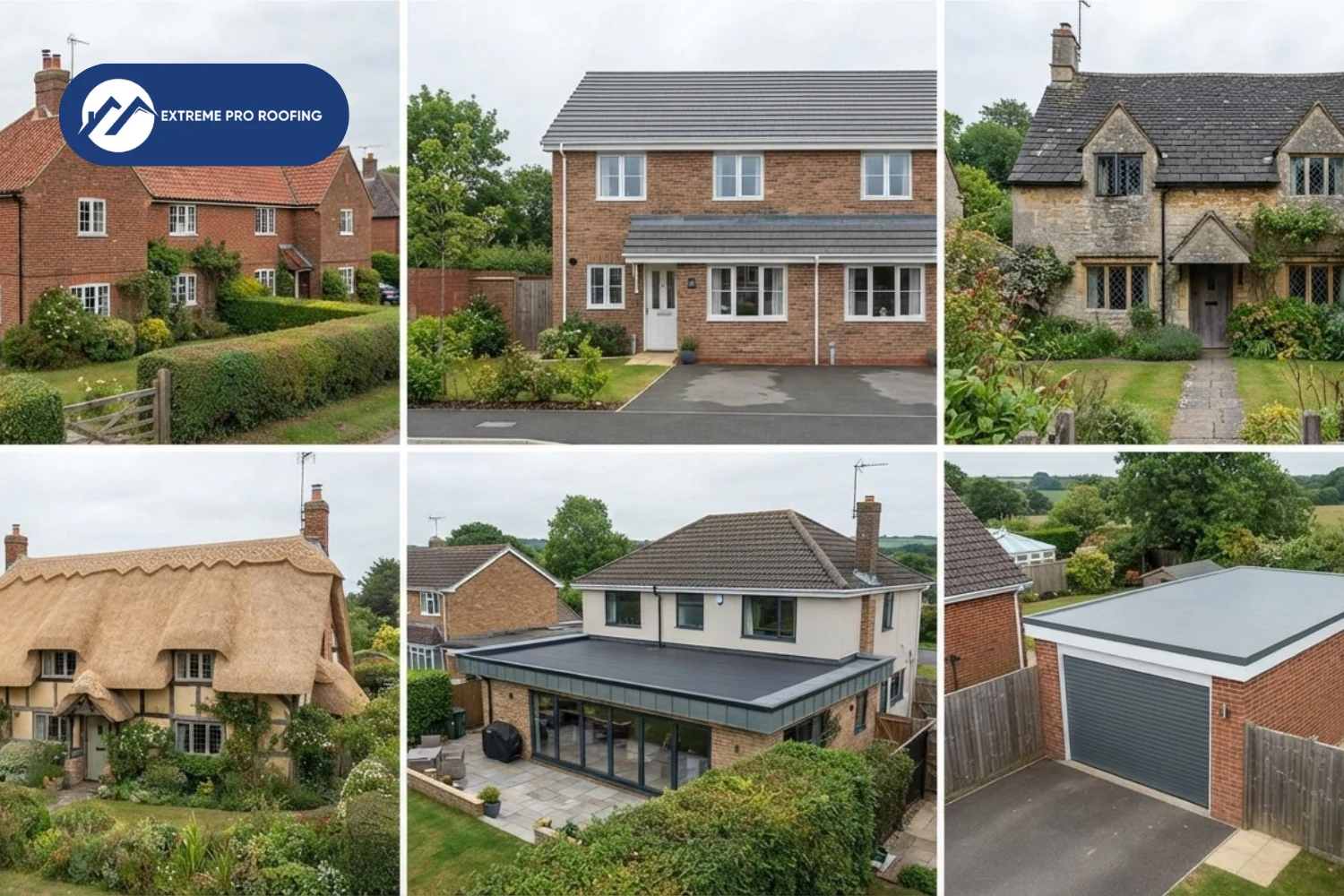
- Slate or clay tiles work beautifully on period homes and in conservation areas, including parts of Salisbury.
- Concrete tiles are a budget-friendly choice that suits most modern homes.
- Metal roofing complements contemporary designs, but choose a coastal-grade finish near the sea.
- EPDM is the usual choice for flat roofs on extensions and garages.
Price per square metre only tells part of the story, so see typical new roof prices in Dorset for whole-roof costs by house type.
If you are unsure, look at the roofs of similar homes in your area. A roof that blends in with its surroundings not only looks good but can also help protect your home’s value. If your home is listed or in a conservation area, check the local planning rules before changing materials.
Get Professional Roofing Help in Dorset
Choosing the right material is only half the job. Installation quality matters just as much. A good roofer can recommend the best material for your home, spot problems early, and ensure the roof lasts.
At Extreme Roofing Pro Contractors Ltd, our professional roofing contractors provide roof installation and roof repairs across Bournemouth, Southampton and Salisbury. Our fully insured team also handles flat roofing, chimney repairs, lead work, guttering, and emergency call-outs, so we can help with whatever your roof needs. Every job is backed by our workmanship guarantee.
Ready to get started? Request a free, no-obligation quote from our team or call us now for expert advice.
Conclusion
The best roof does more than cover your home. It adds comfort, confidence and lasting value. Take your time, compare your options, and choose a material that suits your property and the Dorset weather.
Slate and clay offer longevity and character, concrete tiles provide reliable value, metal suits modern designs, and EPDM keeps flat roofs watertight. Whichever you choose, installation quality matters as much as the material, so work with an experienced, insured roofer who can advise you honestly.
Frequently asked questions